
DOS BIOMAS TERRESTRES AO BIOMA MARINHO: O IMPACTO DO PLÁSTICO NO OCEANO
Keywords:
Environmental education, Plastic pollution, Marine biome, University extension, SDGs, Scientific disseminationAbstract
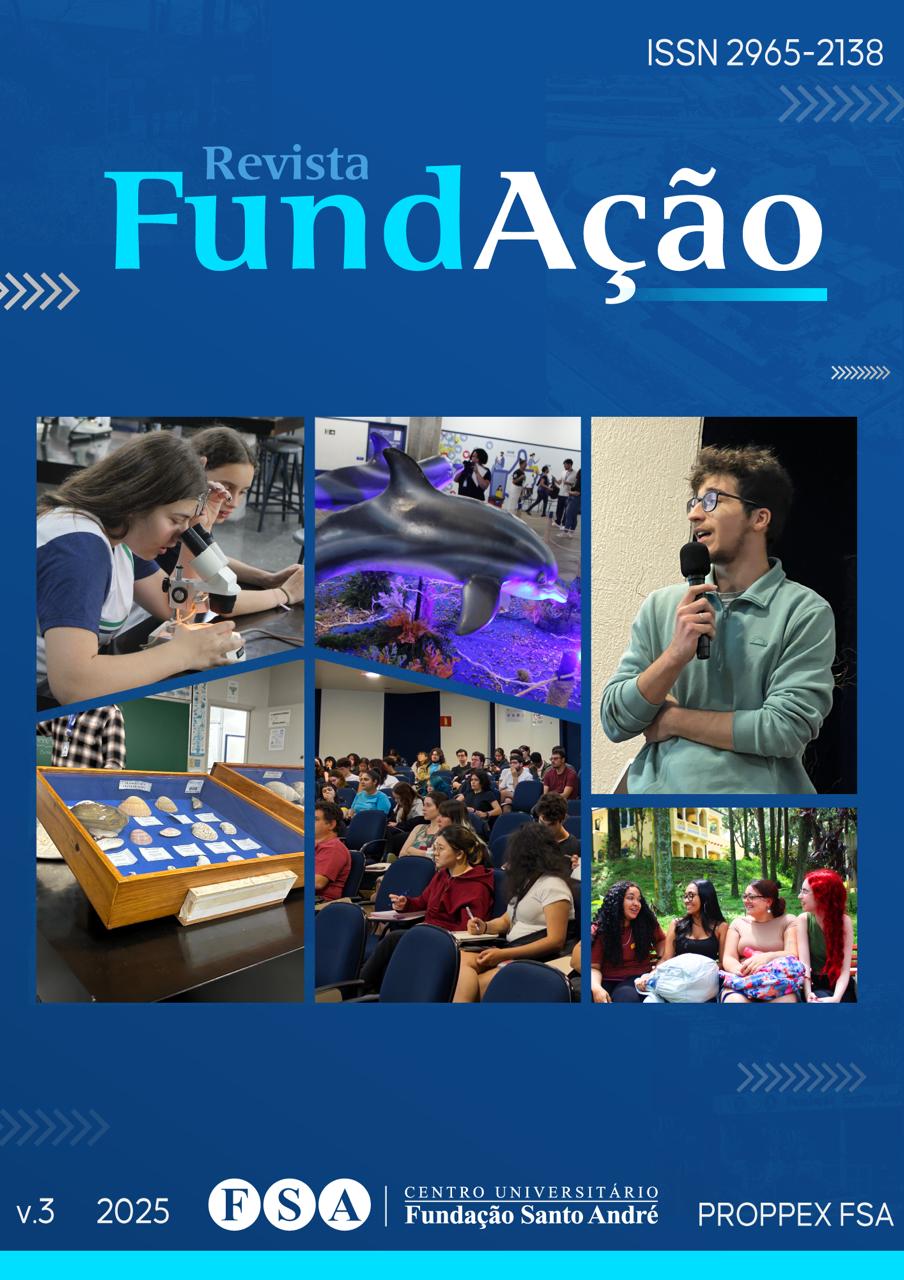
The project “From Terrestrial Biomes to the Marine Biome: The Impact of Plastic on the Ocean,” funded by CNPq/MCTI Public Call No. 08/2024, was developed during the 21st National Week of Science and Technology (SNCT), whose theme was “Biomes of Brazil: Diversity, Knowledge, and Social Technologies.” The marine biome was chosen as the central focus, given the ocean’s key role in climate regulation, biodiversity maintenance, and quality of life, in line with the United Nations Decade of Ocean Science for Sustainable Development (2021–2030) and the 2030 Agenda (SDGs 4, 14, and 15). The methodology integrated an interactive exhibition with biological specimens, educational panels and life-size replicas, hands-on activities on microplastics, and creative workshops, as well as a teacher training program based on inquiry-based learning and project-based approaches. Partnerships with public school networks were formalized through official letters, and audience engagement was also achieved through an intensive campaign on the social media channels of Fundação Santo André and partner institutions. Approximately 3,000 visitors attended the exhibition, including 1,197 students from public schools. All groups participated in all activities. Teacher training comprised 15 workshops with a total of 334 participants, covering public and private school networks from different municipalities in the ABC Paulista region and the capital. The results highlight the multiplying potential of university extension initiatives for critical environmental education, with strong alignment to national and international marine conservation agendas.
Downloads
Published
How to Cite
Issue
Section
License
Copyright (c) 2025 Revista FundAção

This work is licensed under a Creative Commons Attribution-NonCommercial-ShareAlike 4.0 International License.
Este trabalho está licenciado sob uma licença Creative Commons Attribution-NonCommercial-ShareAlike 4.0 International License


